


Selecting the Perfect Handmade Cheese Board
Updated: Oct 12, 2025
Choosing the right handmade serving board can feel like a mini adventure. You want something that’s not just practical but also a little bit special, right? Whether you’re planning to wow guests at your next dinner party or searching for a unique gift, a beautifully crafted wooden board can be a total game-changer. Let’s dive into what makes these boards so charming and how to pick the perfect one for your needs.
Why Choose Handmade Serving Boards? A Friendly Handmade Serving Boards Guide
There’s something magical about handmade items. They carry a story, a touch of the artisan’s skill, and a uniqueness that mass-produced goods just can’t match. Handmade serving boards are no exception. When you pick one, you’re not just getting a kitchen tool - you’re investing in a piece of art that’s built to last.
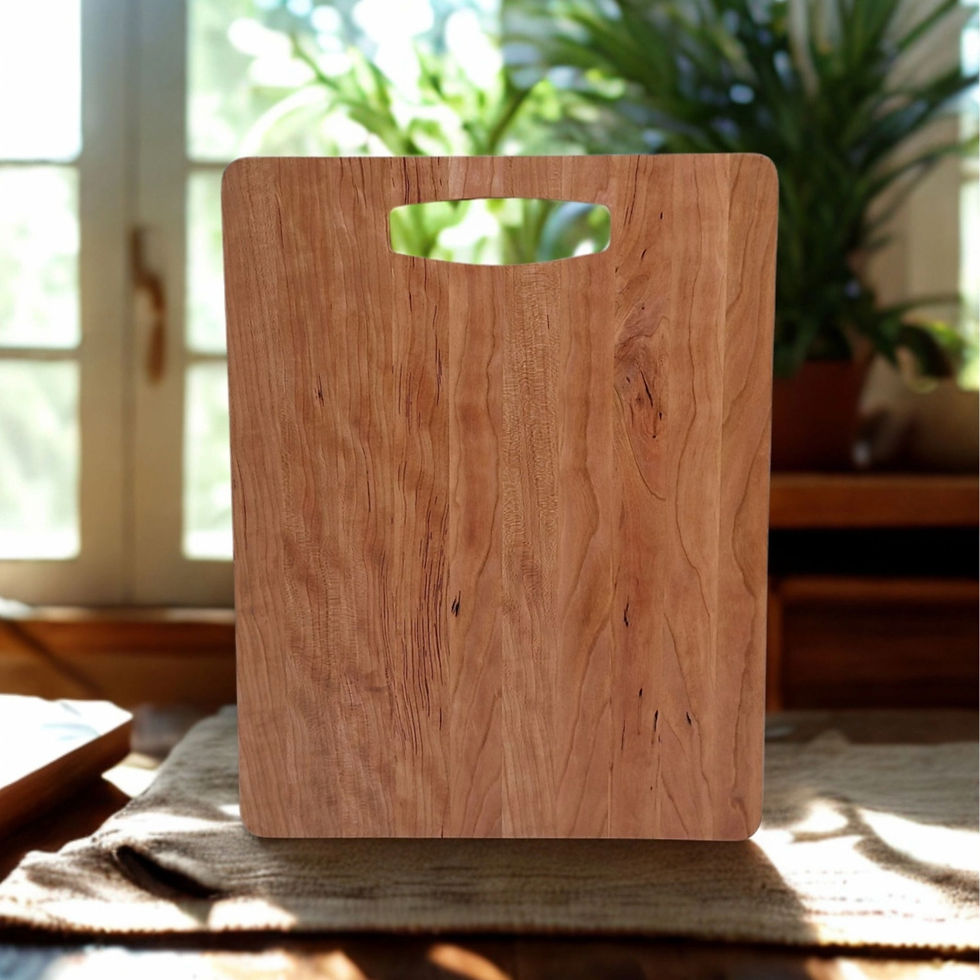
Handmade boards often use high-quality wood like oak, walnut, or cherry. These woods are durable, age beautifully, and develop a lovely patina over time. Plus, each board has its own character - knots, grain patterns, and subtle colour variations that make it truly one of a kind.
Here’s why I love handmade serving boards:
Durability: They’re built to withstand years of slicing, dicing, and serving.
Aesthetic appeal: The natural wood grain adds warmth and charm to any table.
Eco-friendly: Many artisans source wood sustainably, so you’re making a greener choice.
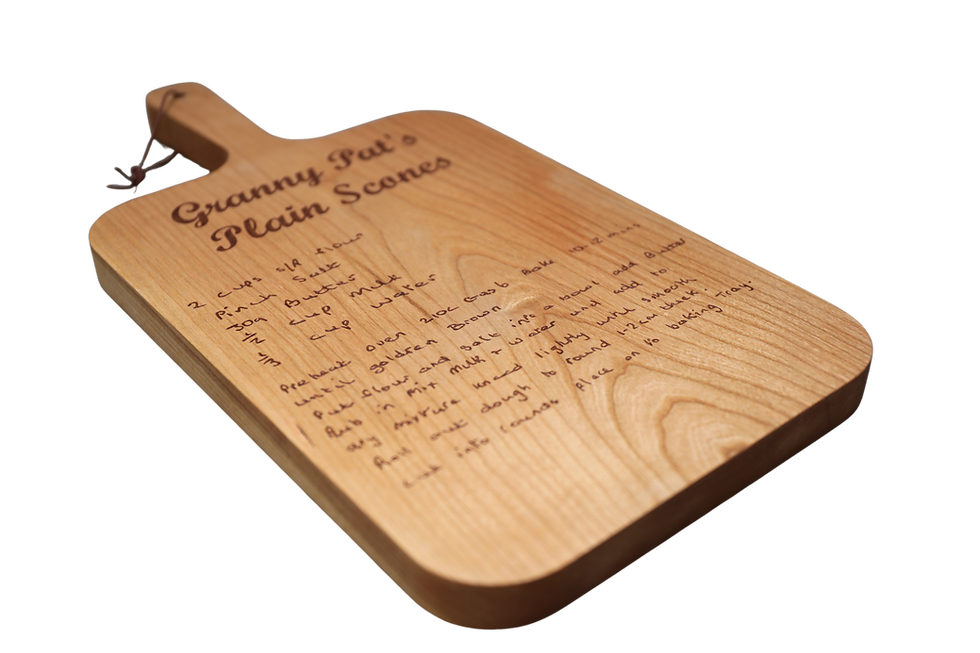
Personal touch: You can often get them personalised with engravings or custom shapes.
If you want to explore some stunning options, check out this cheese board collection. They’re crafted with care and perfect for any occasion.

What to Look for When Selecting Your Handmade Cheese Board
Picking the perfect board isn’t just about looks. You want something that fits your lifestyle and style. Here are some key things to consider:
Size and Shape
Think about how you’ll use it. Are you serving a small cheese platter for two or a big spread for a party? Boards come in all shapes and sizes - rectangular, round, paddle-shaped, or even irregular organic forms. A larger board offers versatility but can be bulky to store. Smaller boards are great for intimate gatherings or as a gift.
Wood Type
Different woods have different personalities. Hardwoods like maple and walnut are popular because they resist knife marks and are food-safe. Lighter woods like beech or ash give a fresh, bright look but might show wear faster. If you want a rustic vibe, reclaimed wood boards are fantastic.
Finish and Maintenance
Most handmade boards are treated with food-safe oils or beeswax to protect the wood and enhance its colour. This finish needs occasional reapplication to keep the board looking its best. Avoid boards with synthetic finishes or varnishes that can chip or contain harmful chemicals.
Features and Extras
Some boards come with handy extras like juice grooves to catch drips, handles for easy carrying, or even built-in compartments for nuts and dips. Think about what would make your serving experience smoother and more enjoyable.
Personalisation Options
Many artisans offer engraving or custom shapes. Imagine your initials, a special date, or a meaningful quote etched into the wood. It’s a lovely way to make your board truly yours or create a memorable gift.

What is typically on a cheese board?
Now, let’s talk about what usually goes on a cheese board. It’s not just cheese, you know! A well-curated board is a delightful mix of flavours, textures, and colours that make your guests’ taste buds dance.
Here’s a classic lineup:
Cheeses: Aim for variety. Soft (brie, camembert), hard (cheddar, gouda), blue (stilton, roquefort), and fresh (mozzarella, goat cheese).
Cured Meats: Salami, prosciutto, or chorizo add a savoury punch.
Crackers and Bread: Offer a mix of crunchy crackers and sliced baguette or rustic bread.
Fruits: Grapes, figs, apple slices, or dried apricots bring sweetness and freshness.
Nuts: Almonds, walnuts, or pecans add crunch.
Condiments: Honey, chutney, or mustard can elevate the flavours.
Olives and Pickles: For a salty, tangy contrast.
Arranging these thoughtfully on your board is part of the fun. Use small bowls for dips and spreads, and scatter nuts and fruits around the cheeses. The goal is to create a feast for the eyes as well as the palate.

Caring for Your Handmade Serving Board: Tips and Tricks
To keep your board looking gorgeous and lasting for years, a little TLC goes a long way. Here’s how I care for mine:
Cleaning: Wipe with a damp cloth after use. Avoid soaking or putting it in the dishwasher - wood hates water!
Drying: Always dry it thoroughly to prevent warping or cracking.
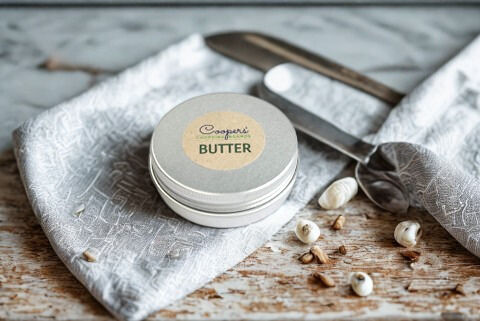
Oiling: Every few weeks, rub in food-safe mineral oil or beeswax to nourish the wood and keep it from drying out.
Avoid strong smells: Don’t use harsh detergents or soak in vinegar or lemon juice, which can damage the finish.
Storage: Store flat or upright in a dry place away from direct sunlight.
With these simple steps, your board will age gracefully and become even more beautiful with time.
Making Your Handmade Serving Board a Gift to Remember
If you’re on the hunt for a thoughtful gift, a handmade serving board ticks all the boxes. It’s practical, stylish, and personal. Here’s how to make it extra special:
Personalise it: Add a name, date, or message.
Pair it: Include a selection of gourmet cheeses, chutneys, or a bottle of wine.
Wrap it beautifully: Use natural materials like kraft paper, twine, or a linen bag.
Include care instructions: Help your recipient keep their gift in top shape.
A handmade board is a gift that keeps on giving - perfect for weddings, housewarmings, birthdays, or just because.
Choosing the perfect handmade serving board is a joy. It’s about finding a piece that fits your style, suits your needs, and brings a little extra warmth to your home. Whether you’re serving up snacks or gifting a loved one, these boards are sure to impress. Ready to find your perfect match? Explore the beautiful range of cheese board options and start your collection today!








Comments