


Choosing the Right Maple Hardwood for Chopping Boards: Face, Edge, and End Grain with Engraving Options
Updated: Feb 10
Crafting the perfect chopping board can elevate your cooking experience. Maple hardwood serves as a leading choice for many kitchen enthusiasts due to its durability, beauty, and natural resistance to bacteria. However, not all maple chopping boards are made the same. The way the wood grain is oriented—face, edge, or end—can greatly affect the board's performance and lifespan. In this post, we’ll examine the various types of maple hardwood chopping boards, their specific traits, and how you can personalise them with laser engraving or CNC carve engraving.
Understanding Maple Hardwood
Maple hardwood is celebrated for its strength and fine grain, making it a go-to material for kitchenware. It is a dense wood capable of withstanding daily use while retaining its natural elegance. The light colour of maple integrates easily with various kitchen styles—whether rustic, modern, or somewhere in between.
From a practical standpoint, maple has significant advantages. Its closed grain structure makes it less porous than other woods. This helps prevent bacteria from penetrating the surface, ensuring a safer environment for food preparation. Studies show that wood surfaces, especially those made from maple, can be 99.9% effective in killing bacteria, making it a top choice for health-conscious chefs.
Types of Maple Chopping Boards
When it comes to maple chopping boards, there are three main types to consider: face grain, edge grain, and end grain. Each type has its own unique characteristics and benefits. Let’s dive deeper into each one!
Face Grain Maple Chopping Boards
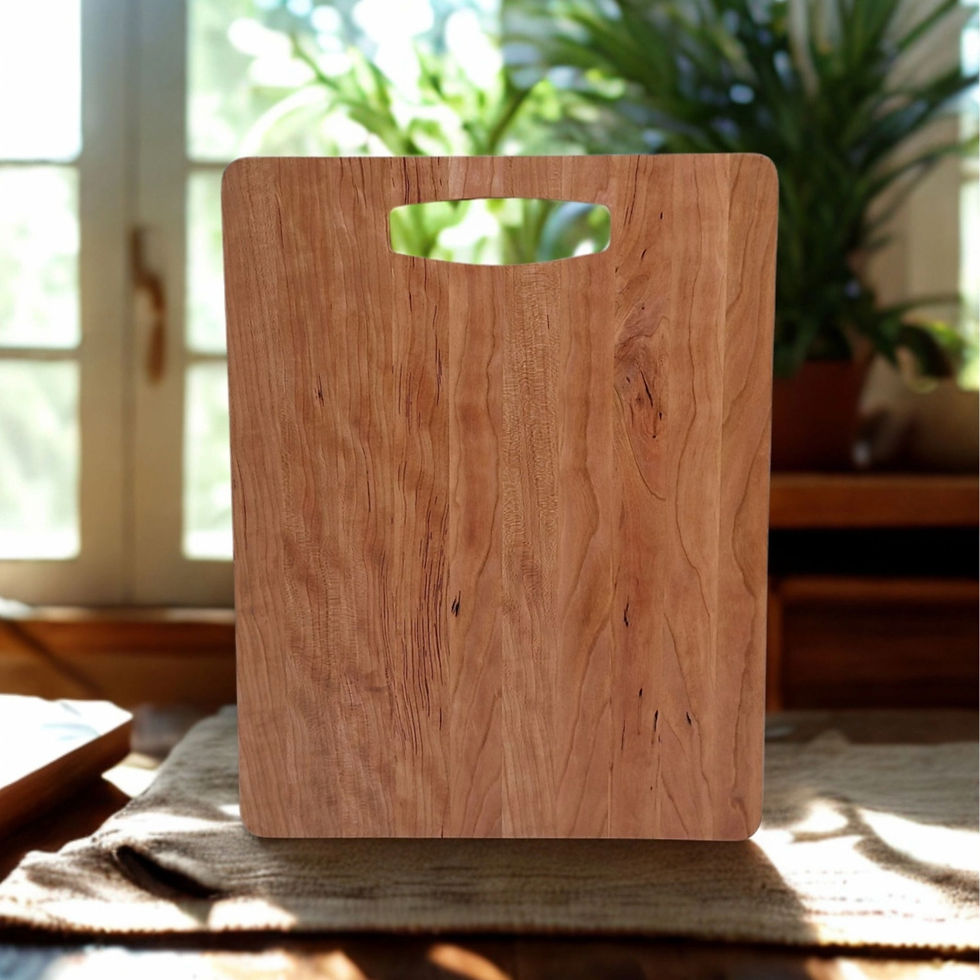
Face grain chopping boards are constructed from the flat surface of the wood, showcasing stunning grain patterns. Typically thinner and lighter than other types, these boards are easy to handle and manoeuvre.
Advantages of Face Grain Boards
Aesthetic Appeal: The smooth surface emphasises the natural beauty of the wood, making it a striking element in any kitchen.
Gentle on Knives: They are less abrasive than other types, helping to keep your knives sharp.
Lightweight Design: Their thinner structure allows for quick and easy handling, perfect for fast chopping tasks.
Despite their benefits, face grain boards can warp or suffer damage from moisture more easily than their edge or end grain counterparts. Therefore, proper care—such as regular oiling and avoiding prolonged exposure to water—is crucial for maintaining their condition.

Edge-grain chopping boards consist of long strips of wood that are placed side by side. This construction creates a sturdy surface that is both practical and visually appealing.
Benefits of Edge Grain Boards
Durability: Edge-grain boards are more robust, making them resistant to warping and damage.
Knife-Friendly: They offer a balance of firmness for cutting while also preserving the sharpness of your knives.
Versatile Use: Ideal for various kitchen tasks—whether you're chopping vegetables or slicing meats.
While edge-grain boards may not display the wood grains as beautifully as face-grain boards, their durability and functionality make them an excellent choice for everyday use.

End Grain Maple Chopping Boards
End-grain chopping boards are constructed by arranging the end pieces of wood vertically. This method yields a visually unique surface while providing exceptional durability.
Advantages of End Grain Boards
Self-Healing Properties: Knife blades can slide between the wood fibres, reducing wear on your knives and extending their life.
Ultimate Durability: These boards are the strongest option available, perfect for heavy-duty use in busy kitchens.
Eye-Catching Design: The distinctive patterns created by the end grain can make these boards stunning focal points in your kitchen.
Although end-grain boards tend to carry a higher price tag due to their complex production process, their long-lasting performance and visual appeal make them a valuable investment for serious cooks.

Personalisation Options: Laser Engraving and CNC Carve Engraving
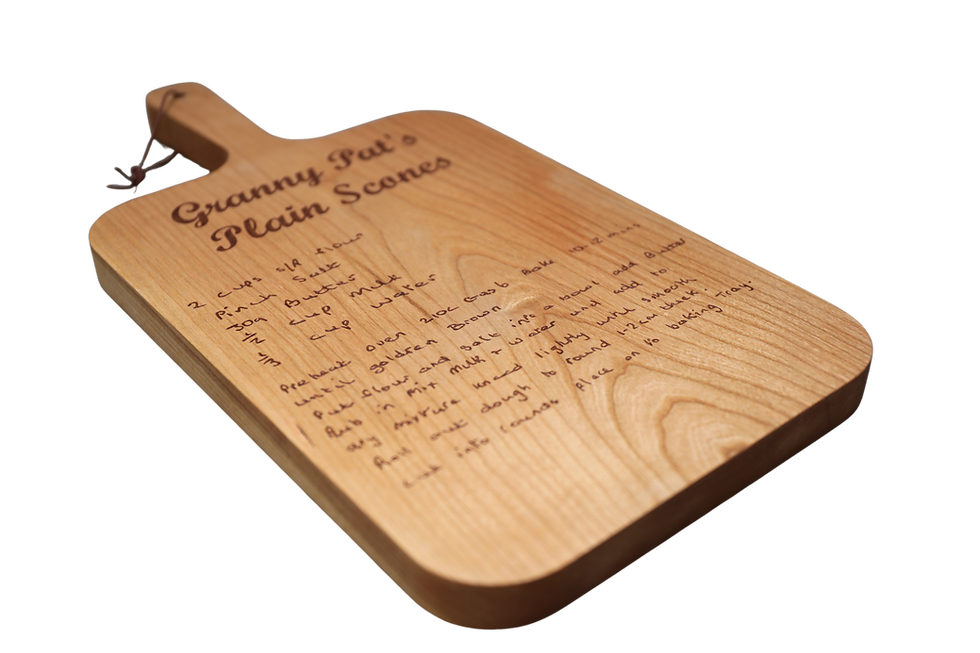
Personalising your maple chopping board can add a unique touch, making it truly yours. Two excellent options for customisation are laser engraving and CNC carve engraving.
Laser Engraving
This technique uses a focused beam of light to etch designs, logos, or text onto the wood’s surface. Laser engraving is highly precise, making it ideal for intricate designs that last a lifetime.
CNC Carve Engraving
CNC carve engraving utilises a computer-controlled machine to intricately carve designs into the wood. This method allows for deeper engravings and can accommodate larger designs, making it perfect for custom logos or detailed artwork.
Both methods can transform a standard maple chopping board into a personalised treasure, ideal for gifts such as weddings, anniversaries, or housewarming events. Personalised boards not only serve a functional purpose but also carry sentimental value.
Caring for Your Maple Chopping Board
Taking care of your maple chopping board is essential for maintaining its beauty and functionality. Here are some tips to keep your board in top shape:
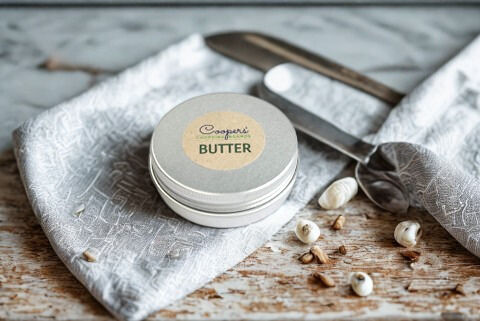
Regular Oiling: Apply food-safe mineral oil regularly to keep the wood hydrated and prevent cracking.
Avoid Soaking: Never soak your board in water or put it in the dishwasher. This can warp the wood and ruin its finish.
Clean Properly: Use warm, soapy water to clean your board. Rinse it quickly and dry it immediately with a towel.
Store Wisely: Keep your board in a dry place, away from direct sunlight. This will help maintain its colour and prevent warping.
By following these simple care tips, you can ensure that your maple chopping board remains a beautiful and functional part of your kitchen for years to come.
Final Thoughts
Selecting the right maple hardwood for your chopping board is crucial for functionality and aesthetics. Each type—face grain, edge grain, or end grain—offers unique advantages that cater to diverse cooking preferences.
Moreover, personalising your board with laser engraving or CNC carve engraving adds a special touch, making it a perfect gift or a cherished kitchen item for yourself. Whether you're a passionate home cook or searching for a meaningful gift, a personalised maple chopping board combines beauty, durability, and functionality.
Discover the joy of cooking with a stunning maple chopping board that reflects your culinary style and passion!
Why Choose Maple?
Maple is not just a pretty face in the world of chopping boards. Its unique properties make it a standout choice for anyone serious about cooking. The natural resistance to bacteria is a game-changer for food safety. Plus, the aesthetic appeal of maple adds a touch of elegance to any kitchen.
So, if you’re on the hunt for a chopping board that’s both functional and beautiful, maple is the way to go! Trust me, you won’t regret it!
The Perfect Gift
Looking for a unique gift? A personalised maple chopping board is a fantastic option! Whether it’s for a wedding, anniversary, or just because, it’s a thoughtful present that shows you care. Plus, it’s something they can use every day!
So, what are you waiting for? Get your hands on a beautiful maple chopping board today!








Comments